

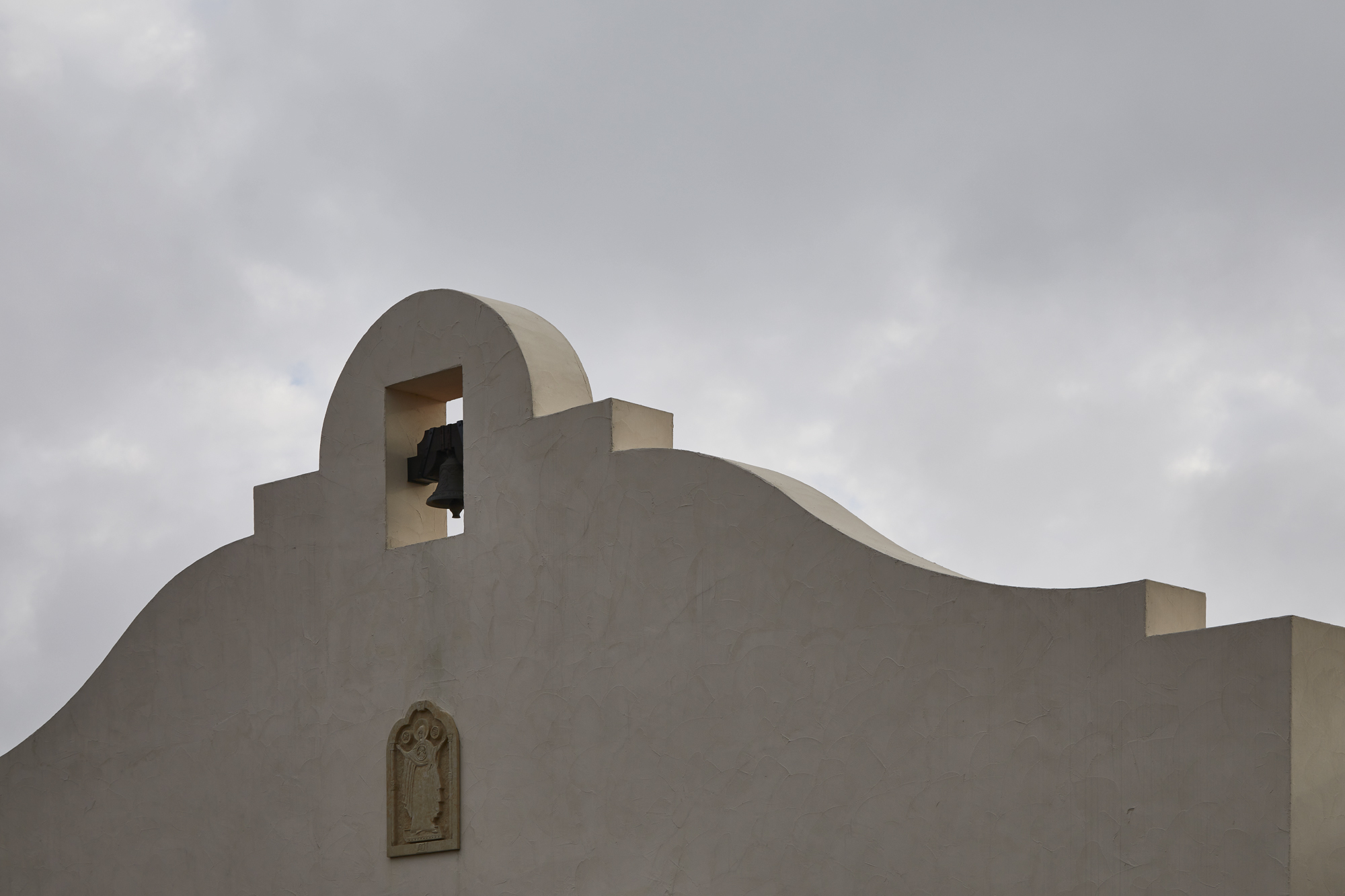
Tex-Mex Architecture: The Spanish Colonial Edition
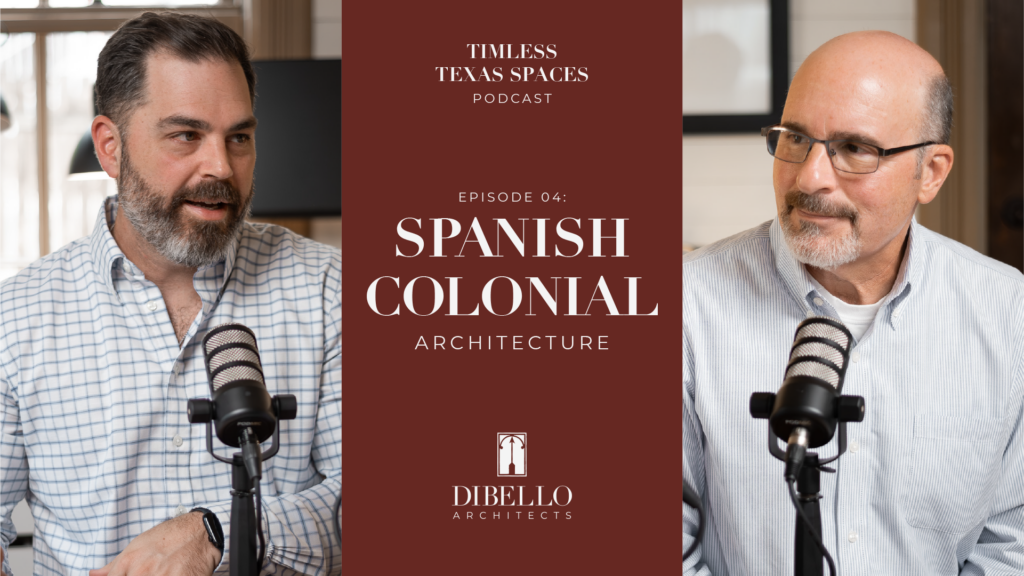
In this episode of our series, Joey and Dale of Dibello Architects guide us through the enduring heritage of Spanish-inspired architecture in Texas, how courtyards, arches, stucco walls, and deep shadows continue to shape meaningful spaces today. This conversation isn’t just about aesthetic revival—it’s about translating centuries-old traditions into homes that respond to climate, culture, and daily life with intention, clarity, and integrity.
Legacy of Form and Space
The episode opens with a reflection on why Spanish-influenced architecture took hold in Texas. These buildings were shaped by climate, community, and the materials available at the time. Thick walls moderated heat. Arches carried weight while softening transitions. Courtyards created shared space protected from wind and sun. What began as practical decisions gradually became a recognizable language, and that language still feels natural to the Texas built environment.
Courtyard Life for the Modern Home
The conversation turns to courtyards — not as decorative features, but as organizing elements. As a building typology, the courtyard is powerful because it centers life around shared open space, naturally moderating climate while shaping circulation and connection. The flow into the home is altered by a central court: it introduces light in a controlled way, and gives the interior space to breathe. In modern homes, the courtyard often becomes the quiet center. Rooms open toward it. Circulation wraps around it. Daily life unfolds through it. It creates both privacy and connection at the same time.
Texture, Material, and Detail
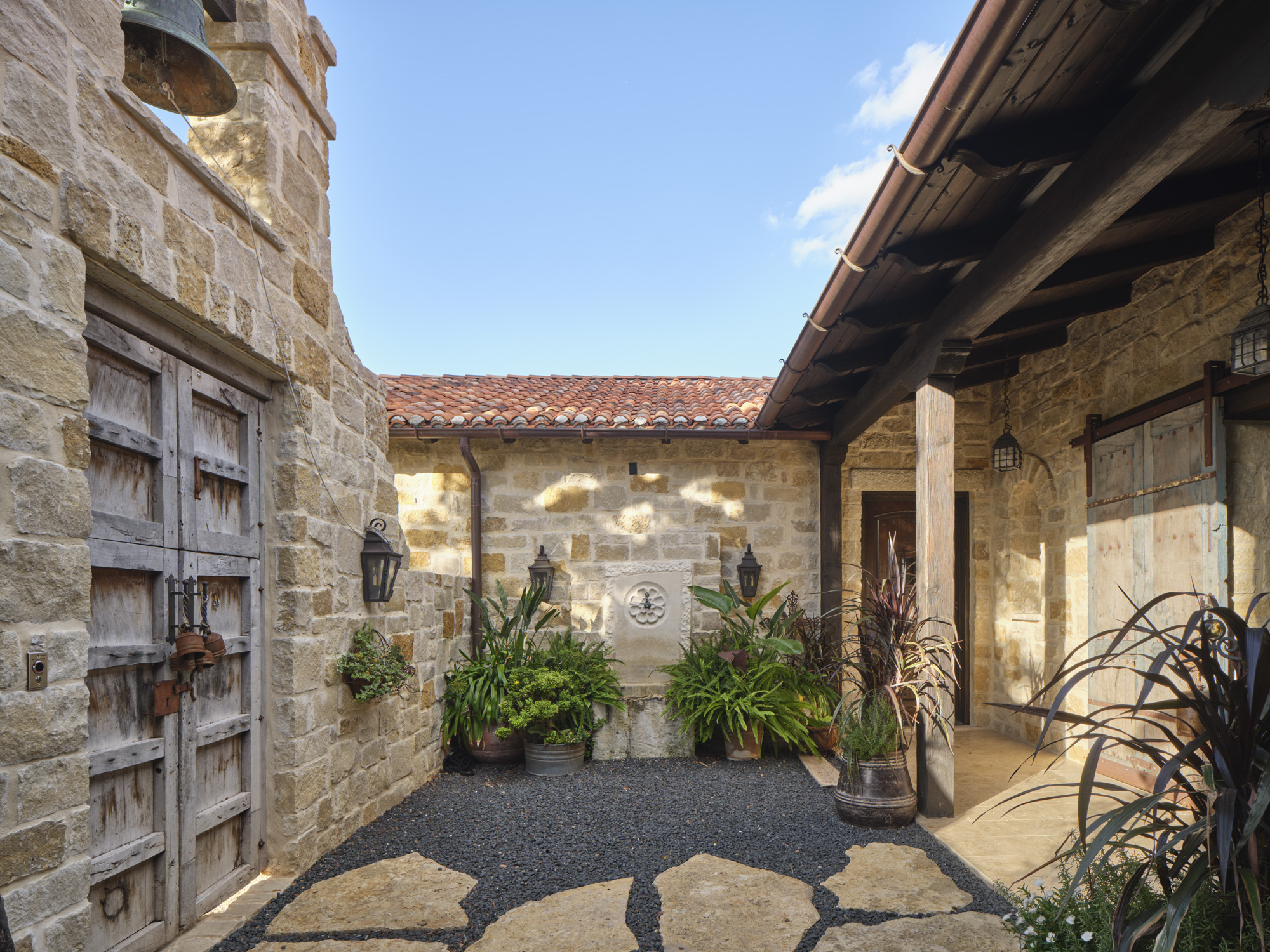
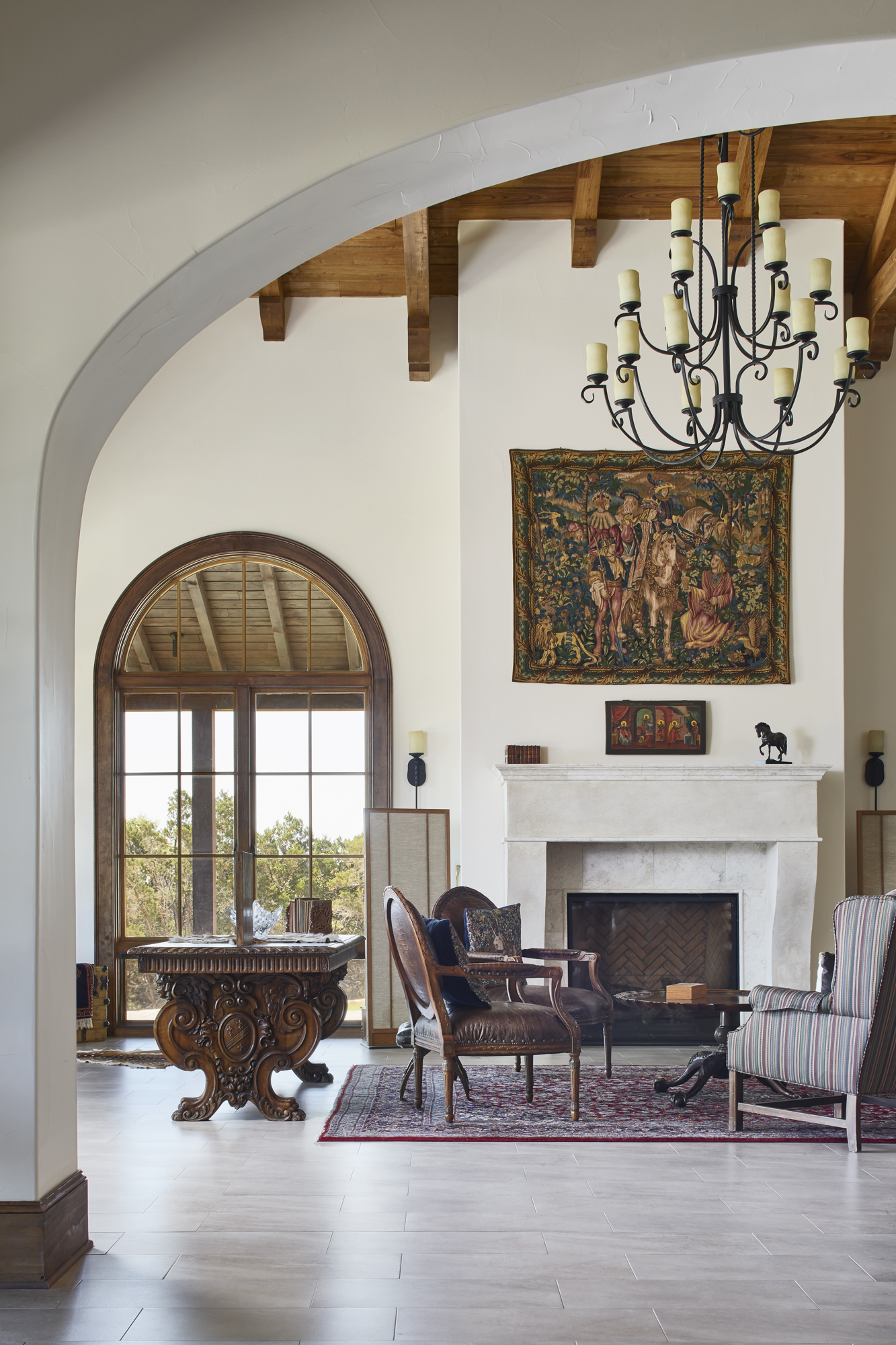
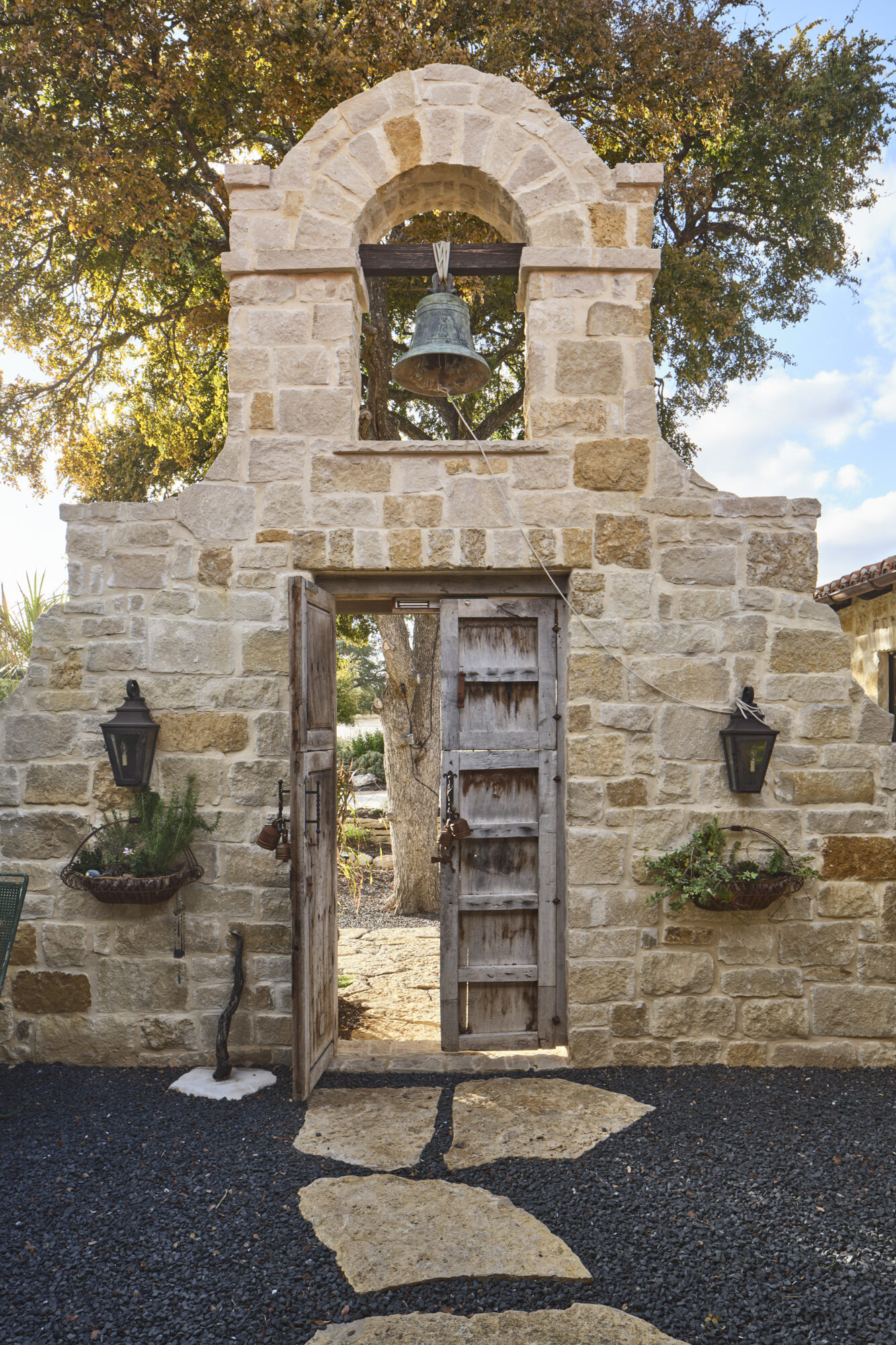
Stucco, hand-hewn beams, tile roofs, and painted ironwork. These materials paired with elevated design can ground any project back to tradition when applied correctly. The episode emphasizes material honesty and craftsmanship: no pastiche, no superficial mimicry. Instead, these materials are re-interpreted in service of place, climate, and lasting value.
Spanish Forms
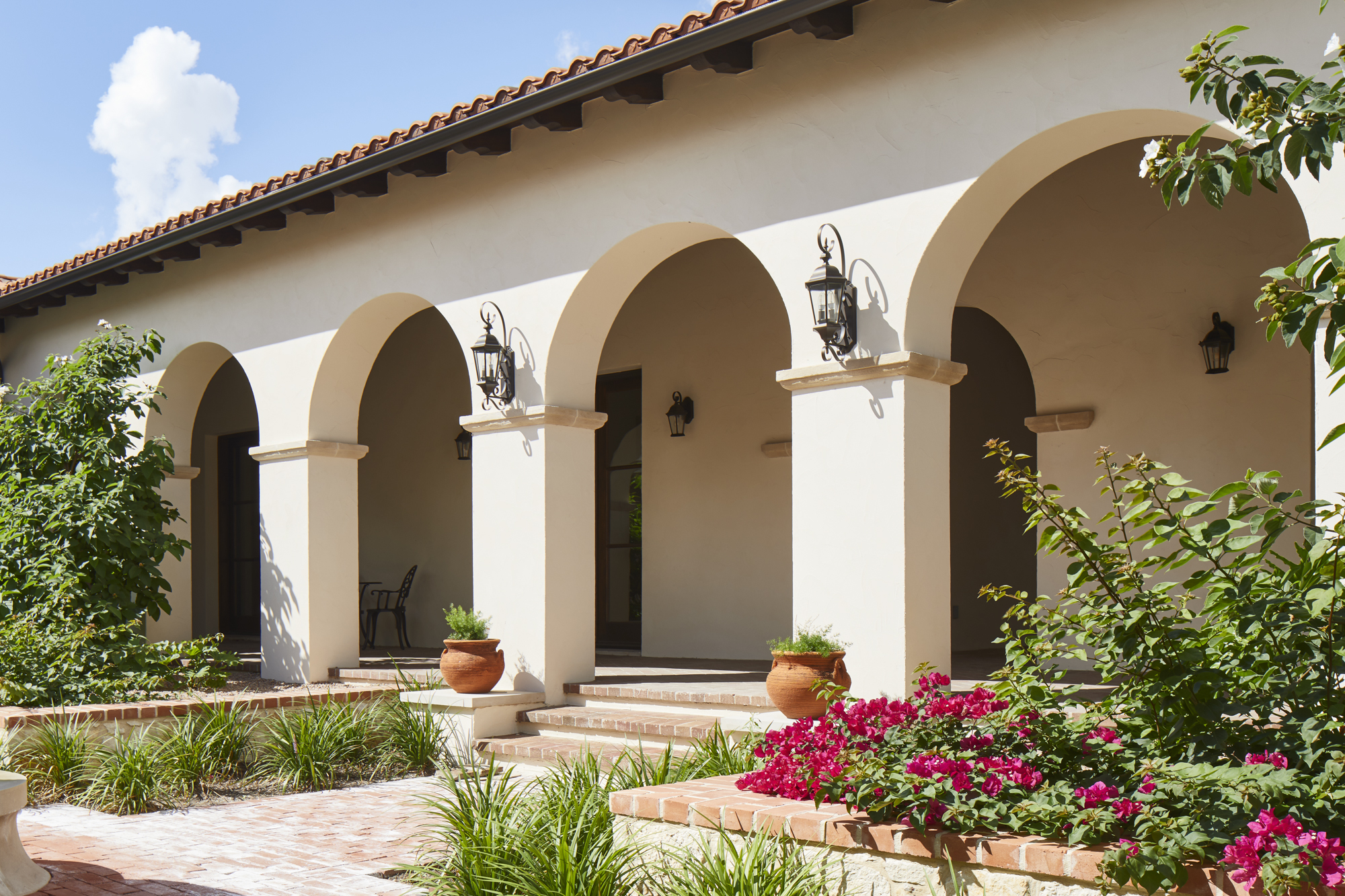
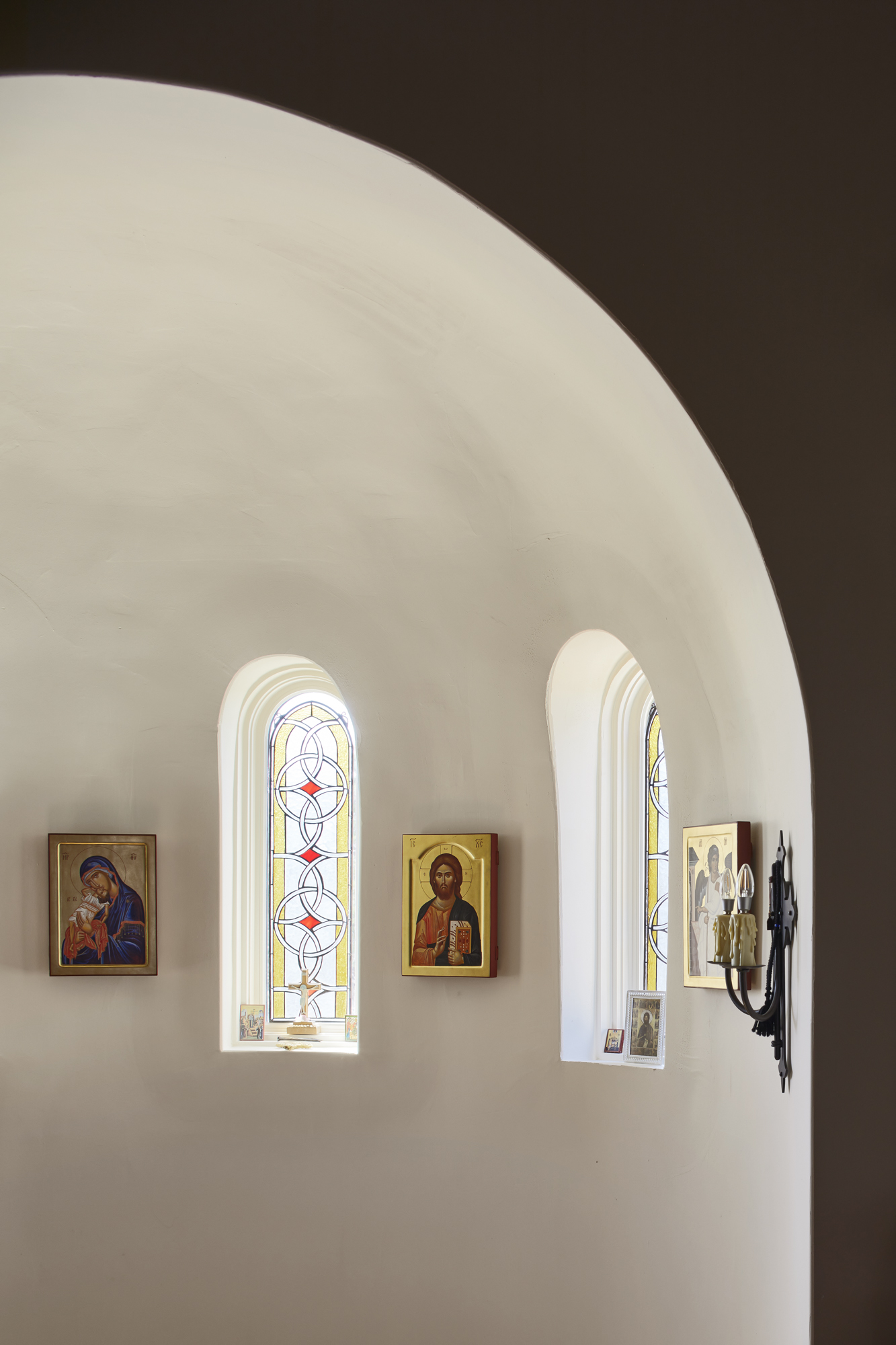
Arches are more than just shape– they are proof of lasting building technology. Before steel and modern framing, arches were one of the most reliable ways to span openings in masonry construction. They distribute weight evenly into the supporting walls, making them ideal for adobe or stone structures. Arches also create repetition and rhythm along façades and courtyards. Their curvature contrasts beautifully with thick, rectilinear walls. This balance between mass and opening gives Spanish Colonial buildings their recognizable harmony.
Horizontal Proportions
Horizontal, grounded proportions are central to Spanish Colonial architecture. These buildings sit low and broad against the landscape, emphasizing stability and shelter rather than height. That horizontality works with the climate and reinforces the comfort created by thick masonry walls. In this episode, Joey reflects on scale: a well-proportioned arch, a deeply recessed window, a thick wall all contribute to shadow, calm, and balance. Together, these measured proportions make the architecture feel settled.
Resilience Through Tradition
Spanish-inspired architecture in Texas has endured because it answered real needs: heat, wind, sun, social life. Dale and Joey talk about how those same responses still apply—today’s homes may have HVAC and high-tech systems, but the architectural fundamentals remain relevant. Designing with respect for tradition means designing for longevity.
Why It Matters
At Dibello Architects, tradition is not a crutch—it’s a foundation. This episode demonstrates how Spanish-inspired design principles—courtyards, arches, material integrity—can form the backbone of homes that are both connected to their roots and fully equipped for modern life.

About Dale
Dale Dibello Dale Dibello, Managing Principal of Dibello Architects, brings more than two decades of experience designing homes that belong to the land. His early work restoring historic Texas residences taught him that architecture’s power lies in its ability to connect past and present. Through his studio in New Braunfels, Dale continues to create dwellings that feel timeless, grounded, and deeply rooted in place.

About Joey
Joey Kammerer Joey Kammerer, Design Principal at Dibello Architects, has guided the firm’s design thinking since its founding in 2010. With a background in fine art and architecture from the University of Texas–San Antonio, Joey’s work is marked by a balanced union of precision and sensitivity. In this episode, his perspective on Spanish-inspired volume, light, and texture brings depth and clarity to the discussion.
Get our Design Guide and see how purpose, place, and partnership come together to create architecture that’s grounded, responsive, and built to last.